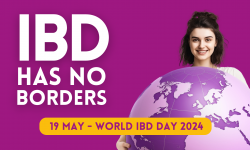
We are pleased to announce EFCCA's plans for World IBD Day 2024, united under the theme: "IBD Has No Borders"
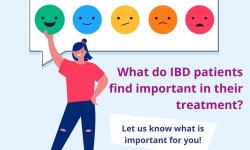
There is very little scientific evidence on patient preference targeted at the IBD patient community.
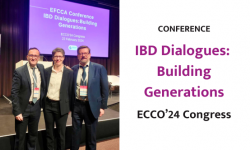
EFCCA organised the conference "IBD Dialogues: Building Generations" held on 22 February at the ECCO'24 Congress in Stockholm presenting the preliminary results of our study on people with IBD aged...
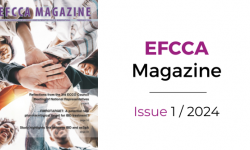
We’re excited to share this year's first edition of the EFCCA magazine!
Thanks to all contributors for making this publication possible!
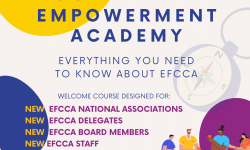
We launched our EFCCA Empowerment Academy, a training programme tailored for recent EFCCA members designed to offer deeper insights into the organisation and provide participants with a learning journey led by EFCCA staff and other experts.

Survey about perceptions regarding the possibility of prediction and prevention of IBD.
We need to hear as many voices as possible, especially from first-degree relatives of people with IBD. You still have time to participate, encourage...
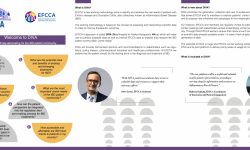
EFCCA´s new working methodology aims to identify and address the real needs of patients with Crohn’s disease and Ulcerative Colitis, also collectively known as Inflammatory Bowel Disease (IBD). ...
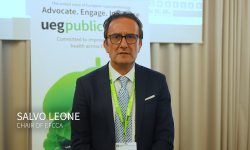
We are happy to share with you a video made on the occasion of the Digestive Health Roundtable 2023, which took place on 15 October in Copenhagen (during the UEG Week).
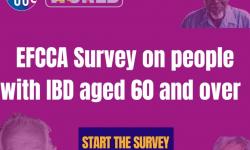
Last days to participate in our survey People with IBD aged 60 and over!!
Our survey is about to come to an end. On 30 November, we will be closing the survey which aims to better understand the challenges faced by people with IBD in this...
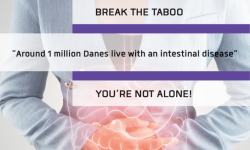
We share with you a useful leaflet created and translated to English by Colitis - Crohn Foreningen Denmark, our member in Denmark.
The brochure provides valuable insights into the most common intestinal diseases and offers guidance on what...